
The digital realm has thrown open the doors to a thrilling world of online gambling, offering unprecedented access to games of chance and skill from the comfort of your home. The adrenaline rush, the potential for a significant win – it’s an undeniable draw. But the very accessibility that makes online gambling so appealing also underscores a crucial element often overlooked: discipline. Without it, the excitement can quickly morph into something far less enjoyable, even problematic. Think of discipline as the steering wheel that keeps your journey through the virtual casino on track, ensuring a sustainable, fun, and most importantly, responsible experience. As your expert guide in the intricate landscape of online gambling, this article is dedicated to equipping you with the essential strategies to master that vital control.
Understanding the Psychology: Why Discipline is a Challenge Online
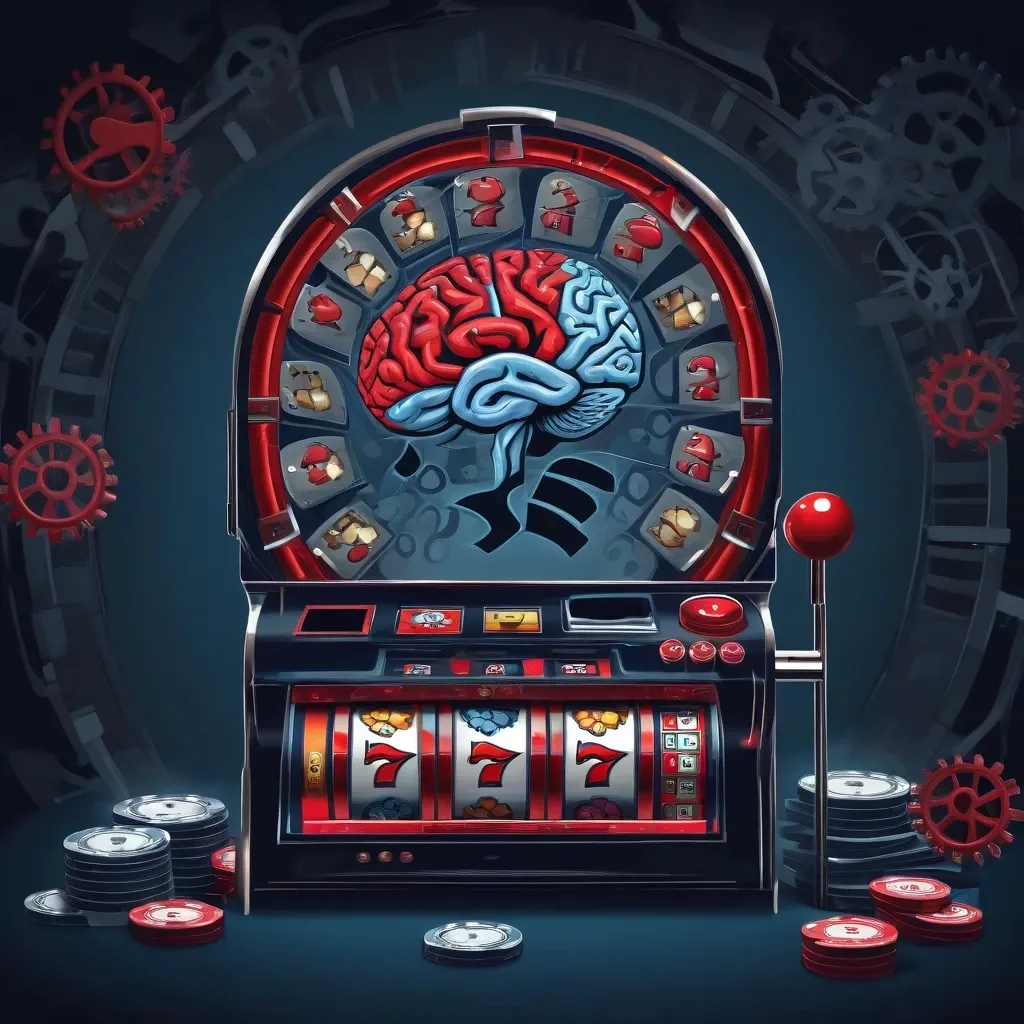
Diving into the digital casino, you’re stepping into a world carefully crafted to tug at your inner psychology. Online gambling isn’t just about luck; it’s a battleground where ingrained mental tendencies can easily run wild. Think of it like a siren’s song, but instead of the sea, it’s pixels and instant payouts. The very nature of online platforms amplifies common traps. We’re wired to see patterns, even where none exist, leading to what we call the gambling psychology kicking into overdrive. This is where cognitive biases like the illusion of control really shine, making us believe we’ve got the system sussed out. Then there’s the sheer force of impulse control, often overwhelmed by the immediate reward and the constant availability. It’s like trying to resist a never-ending buffet when you’re already feeling peckish. And when things go south? That’s when the most destructive cycle begins: chasing losses. It’s an emotional tug-of-war, fueled by a gut-wrenching desire to recoup what’s gone, often leading to even bigger dives. That tantalizing feeling of a near miss, making you think you werejust* about to win, acts as a potent stimulant, keeping you hooked and playing longer than you intended. It’s no wonder discipline can feel like a lost art when the digital realm is designed to exploit these very human inclinations.
The Illusion of Control and Cognitive Biases
Ever met someone convinced they have a secret handshake with the slot machine gods or a foolproof roulette strategy? That’s the illusion of control in action. In games of pure chance, like the spinning reels of a slot or the bouncing ball on a roulette wheel, this cognitive distortion allows players to believe they have more influence over the outcome than they actually do. It’s a funny thing, the human brain; it craves order and predictability, and when faced with absolute randomness, it tries to impose its own logic. This can manifest as gambling fallacies – superstitions, lucky charms, or even elaborate betting systems that, conveniently, never quite pan out long-term. These cognitive distortions create a misplaced sense of confidence, encouraging riskier bets because, in the gambler’s mind, they’re not just relying on luck; they’remaking* luck happen. It’s a powerful psychological trap that makes it incredibly hard to walk away when the odds are stacked against you.
The ‘Near Miss’ Phenomenon and Dopamine Hits
That heart-stopping moment when the slot machine symbols come tantalizingly close to a jackpot, only to land one position off? That ‘just missed’ thrill is no accident. This is the near miss effect, a clever psychological trick embedded in slot machine psychology. The visual and auditory cues associated with a near miss are meticulously designed tofeel* like a win, even though technically, it’s a loss. Chemically, this triggers a small but significant dopamine release in the brain, the same neurotransmitter associated with pleasure and reward. This little jolt reinforces the behavior, making you want more. It nudges you into thinking, “I was so close, one more spin!” This constant trickle of ‘almost’ wins hijacks our brain’s reward system, making it incredibly addictive and effectively rewiring our desire for that full jackpot. It’s a masterful manipulation, keeping your finger hovering over the ‘spin’ button indefinitely.
Chasing Losses: The Most Destructive Cycle
Picture this: After a rough start, you’ve lost a decent chunk of change. The immediate reaction for many isn’t to cut their losses, but to double down. This is the spiral of chasing losses, a particularly insidious form of emotional gambling that can quickly lead to financial ruin. Let’s say you started with bets of $10 and lost. The urge to recoup that $10 might lead you to bet $20, then $40, each loss pushing you further into a hole with increasingly larger bets. Mathematically, this strategy is doomed. You’re not improving your odds; you’re exponentially increasing your potential damage. This cycle isn’t driven by logic but by pure emotional distress – the anguish of loss, the desperation for redemption. It’s a frantic scramble against the odds, and all too often, the only thing you’re catching is more debt and deeper despair. It’s a vicious loop where the hope of recovery only fuels the fire of problem gambling.
The Core Pillars: Pre-Session Planning for Discipline
Alright, let’s cut to the chase. Before you even think about hitting that virtual button or placing a bet, there’s a foundational ritual you absolutelymust* embrace. This isn’t about luck; it’s about laying down the law with yourself. Think of it as pre-game warm-ups for your discipline. Getting this right is the bedrock, the non-negotiable launchpad for any responsible online gambling adventure. Without these core pillars firmly in place, everything else crumbles. So, let’s get down to the nitty-gritty of meticulous preparation. This is where you draw the lines, set the boundaries, and ensure your sessions are about controlled enjoyment, not a chaotic free-for-all. Forget the fancy tactics for a moment; these planning steps are your ultimate safety net and your direct line to maintaining control.
Here’s how to build that essential pre-session framework:
- Your Gambling Budget: The Non-Negotiable Foundation: This is where the rubber meets the road. We’re talking about a concrete number, a dedicated amount that you’ve earmarked specifically for entertainment, and within that, for your gambling activities. No winging it. This isn’t discretionary cash you hope to double; it’s money you’ve mentally set aside knowing it’s for amusement, and you’re prepared to see it go.
- Strategy Setting: A Glimpse Ahead: While this isn’t about complex algorithms, it’s wise to have a general idea of what you’re aiming for in terms of the games you’ll play or the types of bets you’ll make. Are you aiming for a bit of fun on the slots, or a strategic dance with a card game? A vague plan prevents impulsive, scattershot betting.
- Time Limits: The Unwavering Clock: Decide upfront how long you’ll be playing. This is just as crucial as the money. A ticking clock is a powerful tool against overextension.
- Session Limits: Drawing the Lines: This overlaps with budget and time but focuses on specific in-session triggers. What happens if you hit a certain loss? What if you get surprisingly lucky? Knowing these “what ifs” in advance removes decision fatigue and emotional reaction in the heat of the moment.
Seriously, grab a pen and paper, or a digital note, and write these limits down. Seeing them in black and white adds a serious layer of commitment. This isn’t just a suggestion; it’s the core of responsible engagement.
Your Gambling Budget: The Non-Negotiable Foundation
Let’s talk real numbers and real comfort. Your gambling budget isn’t some aspirational figure; it’s a tangible part of your overall financial planning, specifically carved out for entertainment. We’re talking about your disposable income – that sweet spot of money left over after all your essential bills and savings are accounted for. The golden rule here is simple: only use what you can truly afford to lose. Think of this money as already spent on a form of entertainment, like going to the movies or a concert. The pressure to win it back evaporates when you view it this way. To calculate this, consider your monthly income. Deduct your fixed costs (rent, utilities, loan payments, groceries, savings goals). What’s left? That’s your entertainment pot. Now, decide what healthy portion of that pot you’re comfortable allocating to gambling. A nifty trick to enforce this boundary is to use separate e-wallets or prepaid cards exclusively for your gambling funds. Once that card or e-wallet is empty, the fun stops. No dipping into your main accounts. This psychological and practical barrier is incredibly effective when it comes to sticking to your gambling budget.
Setting Session Limits: Time and Money
Now, let’s get granular within your chosen budget. Beyond the overall amount, you need a game plan for each individual session. This involves setting firm session limits for both time and money. For money, define your session bankroll – the smaller portion of your overall gambling budget you’ll use for this specific bout. Crucially, establish clear win/loss limits. A “hard stop-loss” is a predetermined amount you’ll stop playing at if your losses reach it, no matter what. Think of it as hitting a brick wall – you simply can’t go further. Equally important, though often overlooked, is a “stop-win” target. This is a realistic winning amount that, once reached, signals the end of your session. It prevents chasing ever-higher wins out of greed. For session duration, keeping it to a manageable timeframe, say 60-90 minutes, is a smart move. It prevents marathon sessions that can lead to fatigue and poor decision-making. Consider “warning thresholds” too – perhaps if you’ve lost 50% of your session bankroll, it’s time for a serious re-evaluation before you hit the absolute stop-loss. Documenting these stop-loss and stop-win figures for each session is vital. Write them down!
Active Discipline: Staying in Control During Play
Alright, so you’ve set your limits, you’ve got your plan – that’s a solid start. But let’s be real, when the digital reels start spinning or the virtual cards are dealt, things can get a little… intense. This is where the rubber meets the road: keeping that in-session discipline intact. It’s not about being perfect, it’s about being present. Being aware of that subtle shift in your mood, that tiny urge to just ‘one more spin.’ We’re talking about mindful gambling, making deliberate choices in the heat of the moment, and sticking to those real-time limits you so wisely set. Mastering your emotions is key here, and it’s an ongoing dance, not a one-time win. Think of it as your personal betting strategy, a constant calibration of your focus and your wallet.
The Power of Regular Check-ins
Here’s a pro-tip that’s deceptively simple but incredibly effective: schedule regular reality checks. Seriously, set alarms. Every 15 or 30 minutes, whatever feels right for the pace of your game. When that beep goes off, hit pause. Don’t just glance. Look at your current win/loss status. Take a breath. How are you feeling? Are you still cool and collected, or has the pressure started to build? This isn’t about judging yourself; it’s about objective self-monitoring. These little reality checks are your anchors, preventing you from drifting into that dangerous territory where time and money blur and suddenly, poof, you’re way over budget or feeling a knot in your stomach. It’s proactive session review, a way to track your progress and course-correct before things go sideways. Think of it as a quick pit stop to ensure you’re still on the right track.
The ‘No Chasing’ Rule: An Absolute
Let’s get this crystal clear, because it’s non-negotiable: younever* chase losses. Ever. This isn’t a suggestion; it’s the bedrock of any sensible betting discipline. When you’re down, and you feel that pull to place bigger bets or play longer to win it all back – resist. That’s the siren song of ruin. Statistically, chasing losses is a one-way ticket to depleting your bankroll faster than you can say ‘jackpot.’ It’s an amateur mistake that even seasoned players have to actively fight. True discipline means acknowledging when a session isn’t going your way and having the courage to walk away, even if your balance is looking a bit sad. It’s the ultimate act of risk management, ensuring your long-term enjoyment and preventing the kind of deep hole that’s nearly impossible to climb out of. Accept the outcome of the session; it’s part of the game’s ebb and flow.

Leveraging Tools and Strategies for Enhanced Discipline
Navigating the world of online gaming with a sense of control is more about being smart than being abstinent. Think of responsible gambling tools not as handcuffs, but as your personal pit crew, fine-tuning your experience for maximum enjoyment and minimum risk. These aren’t just checkboxes; they’re active allies in your journey to disciplined play. By proactively engaging with the features casinos offer and understanding the value of external resources, you’re essentially building a robust framework for a healthier relationship with gaming. It’s about empowering yourself, recognizing that a bit of foresight goes a long way in ensuring the thrill remains just that – a thrill, not a source of stress. These aren’t signs of weakness; they’re sophisticated strategies for players who value their autonomy and their bankroll.
Casino-Provided Limit Setting Features
Most online casinos are now equipped with an arsenal of built-in tools designed to help you stay in the driver’s seat. Finding these is usually straightforward, often tucked away within your account settings or a dedicated ‘Responsible Gaming’ or ‘Player Protection’ section. Here, you’ll typically encounter features like deposit limits, which cap the amount you can add to your account over a set period (daily, weekly, or monthly), and loss limits, which do the same for your net losses. Session timers, sometimes called reality checks, pop up periodically to remind you how long you’ve been playing. A good starting point for setting these is often aligning them with your entertainment budget – what you’re comfortable spending for a fun evening out. Keep in mind that while reducing a limit is usually instantaneous, an increase often comes with a mandatory waiting period. This delay is a deliberate feature, designed to give you a moment’s pause and prevent impulsive decisions driven by the heat of the moment. It’s a built-in cool-down mechanism, one of many thoughtful responsible gaming features.
When to Use Self-Exclusion and Seek Support
Sometimes, the best strategy is to take a deliberate break. This is where self-exclusion and cooling-off periods come into play. A cooling-off period is a shorter break, allowing you to step away for a specific duration (e.g., 24 hours, a week) without permanently closing your account. Self-exclusion, on the other hand, is a more significant step and involves banning yourself from a casino site for a predetermined, often longer, period, ranging from months to permanently. If you find yourself in a situation where these tools feel necessary, it’s also a vital cue to explore external support. A wealth of organizations and resources exist globally dedicated to providing guidance and assistance for those struggling with gambling-related issues. These can include helplines, online forums, and counseling services. Reaching out for help isn’t an admission of failure; it’s a powerful act of self-awareness and a testament to your commitment to maintaining control.
Navigating Setbacks: Recovering from Lapses in Discipline
It’s a bumpy road, this discipline journey. Lapses in discipline are not just probable, they’re practically a given for most. The real magic isn’t in avoiding stumbles; it’s in how you pick yourself up. Think of these moments not as epic fails, but as crucial plot twists that can actually propel you forward, teaching you more than a perfect streak ever could. The goal is to transform those slips into stepping stones, preventing them from snowballing into a bigger mess.
The ‘Post-Session’ Audit: Learning from Experience
So, the session didn’t go as planned. Happens to the best of us. Before you even think about the next round, carve out a dedicated 5-10 minutes for a critical ‘post-session’ audit. Grab your gambling log and jot down the essentials: how long were you at it? What was the damage – or the windfall? Now, the juicy bit: did you bend any of your hard-won rules? What was your vibe, emotionally speaking? This isn’t about beating yourself up; it’s about building a habit of objective review. This honest look under the hood is your compass for spotting personal patterns and triggers you might otherwise miss.
Dealing with ‘Tilt’ and Preventing ‘Revenge Gambling’
That hot flush of frustration after a bad beat? That’s ’tilt’ knocking. And if you’re not careful, tilt can easily morph into the even more dangerous beast of ‘revenge gambling,’ where you chase losses with reckless abandon. So, what’s the antidote? Immediate action. After a session that sent you spiraling, impose a mandatory break. Seriously, walk away. Get lost in something completely different – a walk in the park, a book, anything that doesn’t involve cards or chips. Keep reminding yourself, and this is vital, that gambling is for entertainment, not an income stream. Sticking rigidly to your cooling-off periods is non-negotiable; it’s your shield against spiraling further into trouble.
Embracing Discipline for Enduring Enjoyment
Ultimately, disciplined gambling isn’t about slamming the brakes on excitement; it’s about building a sturdy bridge tolasting* enjoyment. We’ve weaved through the essentials – setting those clear boundaries, understanding the allure of risk versus reward, and keeping a sharp eye on your bankroll. Remember, these aren’t rules to stifle your fun, but rather the scaffolding that supports a truly engaging and sustainable experience. The power to control your journey, to keep the entertainment aspect front and center, rests squarely with you. Go forth, armed with these insights, and let responsible play be your compass to a world where excitement meets absolute command. Consider this the start of your ongoing adventure, and know that the tools for continuous improvement are always within reach.