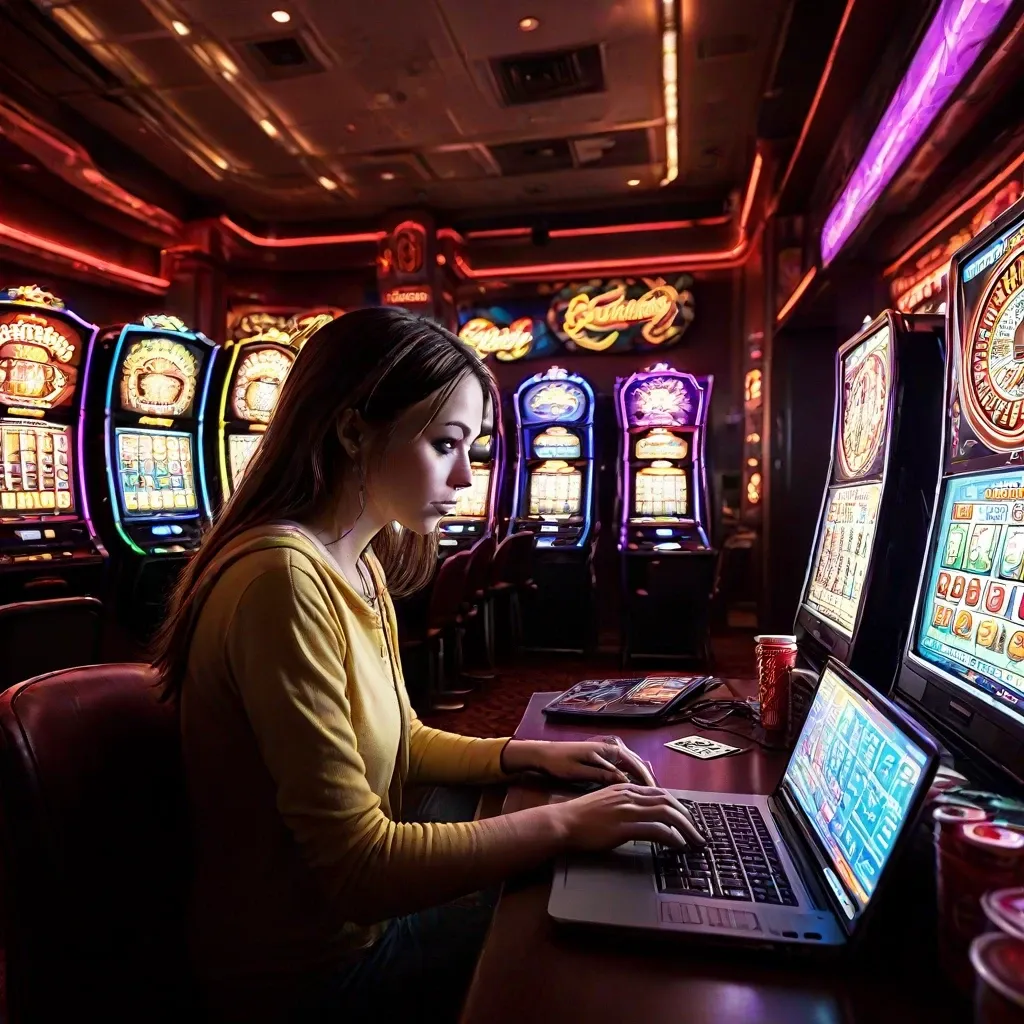
It’s a few clicks away, a few taps on a screen after a long day. The allure of a quick win, a moment of escape, is incredibly potent, isn’t it? You can find yourself at a virtual roulette wheel or a digital poker table with astonishing ease, a far cry from the brick-and-mortar establishments of yesteryear. Watching this landscape transform has been…well, eye-opening, to say the least. It’s this very accessibility, this seamless integration into our daily digital lives, that has spurred a deep dive into what I’ve come to see as a growing concern: online gambling addiction. This isn’t just about the outdated stereotypes; it’s about a modern, insidious digital addiction that preys on convenience. Our aim here, drawing on years of observing these patterns, is to pull back the curtain on the often-underestimated dangers lurking within the online casino. We’ll be exploring the multifaceted gambling risks that emerge as platforms become more sophisticated and accessible, offering expert insights into how this digital trap ensnares individuals. What exactly falls under the umbrella of ‘online gambling’ in today’s world? It goes beyond just slot machines; think sports betting, esports wagering, and even some increasingly gamified applications. Prepare to understand the true scope of this evolving threat.
Understanding Online Gambling Addiction: More Than Just a Game
What you might see as a bit of harmless fun, a flutter on the horses or a spin of the virtual roulette wheel, can, for some, morph into something far more serious. Online gambling addiction isn’t just about losing a bit of cash; it’s a complex mental health condition, a recognized gambling disorder that’s officially no longer just a bad habit. The World Health Organization (WHO) has classified it, folks. Think of it less like enjoying a movie and more like a persistent, nagging itch you can’t help but scratch, even when the scratching leaves you bleeding. This isn’t about willpower; it’s about a loss of control, an impulse that takes over, regardless of the consequences. While many enjoy online gambling responsibly, the line between recreational play and a genuine problem can be alarmingly thin, and once crossed, the urge becomes a relentless master.
What is Online Gambling Addiction?
So, what does this addiction actually look like? It’s more than just having a bad run. You’ll often see a preoccupation with gambling, a constant mental replay of past bets or future plans. There’s a growing need for bigger and bigger bets to achieve the same thrill – a sort of escalation. Crucially, there are failed attempts to cut back or stop, followed by restlessness and irritability when trying to. The most telling sign? Chasing losses. Instead of walking away, the urge to win back what’s lost becomes overpowering, often leading to bigger debts. Lying about the extent of the gambling, jeopardizing significant relationships, jobs, or even educational opportunities – these are the hallmarks of compulsive gambling. It’s a persistent pattern where the individual is unable to stop, despite knowing it’s causing them serious harm. It’s about that undeniable loss of control, overshadowing everything else in their lives, turning everything from online betting to daily routines into a backdrop for the next gamble.
From Hobby to Harm: The WHO’s Perspective
Let’s get this straight: this isn’t a character flaw or a moral failing. The World Health Organization’s inclusion of ‘gaming disorder’ in its International Classification of Diseases (ICD-11) acknowledges the very real mental disorder associated with excessive digital engagement, which broadly encompasses addictive online gambling behaviours. This official recognition is huge. It shifts the narrative from personal weakness to a public health concern. It means that what was once dismissed as a private struggle is now understood as a legitimate health issue requiring professional understanding and support, stepping out of the shadows and into the realm of problem gambling treatment. This move by the WHO is a step towards destigmatization, encouraging those affected to seek help without shame and paving the way for more effective interventions and a clearer path forward.
The Digital Trap: How Online Platforms Fuel Addiction
Online gambling arenas have become incredibly adept at luring individuals into a cycle of problematic behavior. It’s not just about the thrill of the game; the very architecture of these digital spaces is deliberately crafted to keep users hooked. The constant availability, the veil of anonymity, and the cunningly integrated persuasive design elements all contribute to an environment ripe for addiction. This isn’t accidental; it’s a calculated approach that exploits our psychological vulnerabilities, making it increasingly difficult to disengage once you’ve crossed the digital threshold.
Anytime, Anywhere: The 24/7 Accessibility
Gone are the days when gambling was confined to brick-and-mortar establishments with strict operating hours. Online platforms offer a relentless, 24/7 stream of opportunities to place a bet. Whether you’re on your commute, during a lunch break, or even while supposedly engaging with family, your phone or computer is a gateway. This ubiquitous access normalizes gambling, weaving it seamlessly into the fabric of daily life and removing the friction that once acted as a natural deterrent.
The Illusion of Anonymity
The digital realm offers a peculiar sense of detachment. Users can adopt pseudonyms or utilize payment methods that obscure their true identity, creating an illusion of anonymity. This lack of face-to-face interaction significantly reduces the social accountability that might otherwise curb impulsive or risky behavior. When the consequences feel less direct and the players are faceless, inhibitions can easily crumble, leading to much more reckless wagering.
Engineered for Engagement: Persuasive Design and ‘Dark Patterns’
Online gambling platforms are a masterclass in ‘persuasive design,’ often employing ‘dark patterns’ to maximize user engagement. They directly mimic the psychological mechanisms of slot machines with flashing visuals, enticing sounds, and the tantalizing promise of ‘near misses’ and progressive jackpots. Features akin to ‘loot boxes’ and the randomness of paid outcomes in video games are essentially disguised forms of gambling, designed to exploit our innate desire for rewards. This intentional construction, as highlighted in reports from organizations like the Council of Europe, is specifically engineered to keep players spinning, betting, and ultimately enduring consumer detriment by preying on psychological vulnerabilities.

The Tangible Toll: Real-World Consequences of Online Gambling Addiction
It’s easy to get lost in the thrill of the virtual casino, where the next bet is just a click away. But beneath the surface of flashing lights and digital chips lies a stark reality. Online gambling addiction isn’t just a bad habit; it’s a destructive force that wreaks havoc on every aspect of an individual’s life. The consequences are far from imaginary – they are deeply tangible, leaving a trail of financial ruin, mental anguish, physical decline, and shattered relationships in their wake. Understanding these devastating impacts is the first step towards recognizing the gravity of this issue.
Financial Devastation
The allure of quick wins online often masks the swift descent into financial despair. The ease of digital transactions means funds can vanish at an alarming rate, pushing individuals to chase mounting gambling losses with desperate tactics like taking out loans or maxing out credit cards. This relentless pursuit of recouping what’s lost can lead to crippling debt and eventual bankruptcy. In extreme cases, the desperation to fund the addiction can even lead to illegal activities, such as fraud or theft, as highlighted by health experts.
Mental Health Crisis
Beyond the financial fallout, the psychological toll is immense. The cycle of gambling addiction is deeply intertwined with mental health struggles. Feelings of intense guilt and profound helplessness pervade, often leading to severe depression and crippling anxiety. It’s not uncommon for these issues to coexist with other challenges, forming co-occurring disorders and, in the most tragic instances, escalating to dangerous levels of suicidal thoughts and attempts. The constant stress and emotional turmoil create a breeding ground for mental health crises.
Physical Health Deterioration
The addictive nature of online gambling often leads to a significant decline in physical well-being. Prolonged periods spent gambling disrupt natural sleep problems, leaving individuals exhausted and mentally fatigued. The constant underlying stress of managing debts and the addiction itself takes a physiological toll. Furthermore, many addicts neglect basic self-care, skipping meals and exercise, contributing to an unhealthy, sedentary lifestyle and a host of related physical health risks.
Damaged Relationships and Social Isolation
The lies, broken promises, and pervasive financial strain inherent in gambling addiction create deep fissures in personal connections. Marriages crumble under the weight of deceit, friendships fray, and cherished family bonds are tested and often broken. This constant conflict and lack of trust lead to profound social isolation. Individuals may find themselves losing not just relationships, but also crucial opportunities like jobs or educational pursuits, further deepening their sense of loneliness and disconnection.
Spotting the Red Flags: Signs of Online Gambling Addiction
It’s easy to get caught up in the thrill of online gambling. The convenience, the endless game options, the potential for a big win – it can all feel a bit dizzying. But at what point does that excitement tip over into something more serious? Recognizing the signs of a gambling addiction, whether in yourself or someone you care about, is the first, crucial step towards getting help. This isn’t about blame; it’s about awareness and taking control before things spiral. Think of this as your guide to spotting those subtle (and not-so-subtle) shifts in gambling behavior that might signal a deeper problem.
Questions to Ask Yourself
Let’s get real for a moment. If you’re concerned about your own gambling habits, asking yourself some direct questions can be incredibly revealing. Take a deep breath and answer honestly. Do you consistently gamble more money than you can comfortably afford to lose, maybe dipping into savings or even essential bills? Have you found yourself fabricating stories or omitting details when asked about your gambling activities? Perhaps you’ve made genuine attempts to cut back or stop altogether, only to find yourself right back at it, feeling unable to resist the urge. Does the time and mental energy you dedicate to gambling start to overshadow your job, your studies, or the people you love? Are you experiencing increased stress, anxiety, or irritability when you’re not gambling, or feeling a desperate need to chase losses to recoup what you’ve spent? These aren’t just casual thoughts; they’re pretty strong indicators.
Red Flags in Loved Ones
When it comes to spotting problems in others, it often starts with observing noticeable changes. Is your loved one suddenly facing significant, unexplained financial difficulties, like overdue bills or missing money? Are there dramatic shifts in their mood – fleeting highs followed by deep lows or noticeable irritability, especially when their gambling is brought up? You might observe an increase in secrecy around their phone or computer use, or a general withdrawal from social activities they once enjoyed, preferring to be alone with their devices. Responsibilities at home or work might start to slip, tasks left undone, and commitments forgotten. And if you try to voice your concerns, do they become unusually defensive, angry, or dismissive? Approaching someone about these issues requires a delicate touch, but it’s vital to do so with genuine concern, emphasizing your care and offering support rather than judgment. Gentle, yet firm conversations can open the door to recognizing a problem.
The Blurring Lines: Convergence of Gaming and Gambling
It’s a wild ride out there, with gaming and gambling doing a bit of a tango, and honestly, the steps are getting a little concerning. We’re seeing more and more gambling-esque features sneaking into our favorite video games, and, you guessed it, vice versa. This mashup is creating some seriously tricky new pathways towards addiction, and it’s hitting our youngest players particularly hard. Remember when games were just, well, games? Those days are fading fast as the “gamification of gambling” – think those loyalty programs that feel more like leveling up in a game – becomes commonplace. And then there’s the other side of the coin: the “gamblification of gaming.” This is where we see in-game currencies, cosmetic item trading, and the big one, loot boxes, all starting to feel a bit too much like the real deal. The Council of Europe has even sounded the alarm, highlighting how children and adolescents are particularly vulnerable to these unregulated digital frontiers. Add to that the explosion of esports betting, and you’ve got a whole new ballgame, or perhaps, a whole new casino floor.
The Rise of ‘Loot Boxes’ and In-Game Purchases
Let’s talk about loot boxes, shall we? These are essentially virtual treasure chests filled with random goodies. You crack them open with real money, hoping for that rare sword or dazzling outfit. The kicker? You never quite know what you’re going to get. This element of chance, combined with the real-money investment, is precisely why many see them as a gateway to gambling. For kids and even adults, the allure of a random reward can be incredibly powerful, and the line between a fun in-game purchase and a risky bet starts to wobble. It’s a regulatory headache because, legally, they often fall into a gray area, leaving child protection measures struggling to keep pace with these evolving digital marketplaces.
When Gaming Becomes Gambling
The convergence goes deeper. We’re now seeing social casino games that are eerily similar to you-know-what, but without the actual cash payout – yet they can still quite effectively build gambling habits and impulses. Then, the slick integration of these gambling-like traits into mainstream video games is just… ubiquitous. Think about the booming world of esports gambling, where bets are placed on professional gaming matches. And don’t even get us started on “skin gambling” – betting with virtual weapon skins or other cosmetic items acquired in games. These microtransactions, often poorly regulated, create a dizzying cross-platform risk, where the thrill of gaming can be a mere hop, skip, and a jump away from the intensity of a casino game, often with less oversight than you’d expect.

Wider Ripples: Societal and Economic Burdens
The Collective Strain of Problem Gambling
The addiction to online gambling casts a shadow far beyond the individual, creating
substantial societal costs that ripple through communities. It’s not a solitary struggle;
it’s a burden shared by public services and taxpayers. The economic burden is
significant, manifesting in a variety of ways. Increased crime rates are often
linked to the desperate measures individuals might take to fund their addiction,
placing a strain on law enforcement and the justice system. Meanwhile, the public
health impact is undeniable, with problem gambling contributing to mental health crises,
stress-related illnesses, and relationship breakdowns. This, in turn, escalates healthcare
costs as individuals seek treatment for both the addiction and its myriad
consequences. Expert reports consistently highlight these substantial societal costs,
underscoring the urgent need to recognize and address problem gambling not just as
a personal failing, but as a pervasive societal challenge with far-reaching economic
and social implications.
Pathways to Recovery: Seeking Help and Building Resilience
Navigating the often-turbulent waters of online gambling addiction can feel overwhelming, but there’s a clear path toward healing and reclaiming control. The journey to recovery isn’t solitary; it’s woven with robust support systems and effective strategies. Recognizing the need for help is the first, courageous step. For those struggling and their loved ones, a wealth of gambling help and treatment options are readily available, all aimed at fostering profound and lasting change. Building resilience is central to this process, transforming challenges into stepping stones. With the right recovery resources and a commitment to healing, a life free from the grip of addiction is not just a possibility—it’s an achievable reality.
Effective Treatment Modalities
When addressing online gambling addiction, evidence-based interventions are paramount. Cognitive Behavioral Therapy (CBT) stands out, a powerful approach that helps individuals identify and challenge the destructive thought patterns and behaviors fueling their addiction. By understanding triggers and developing coping mechanisms, CBT empowers individuals to restructure their responses to urges. Beyond CBT, other forms of individual therapy and professional counseling offer tailored support, exploring underlying issues and equipping individuals with personalized strategies for sustained recovery.
Support Systems and Resources
You don’t have to go through this alone. A wide array of support groups, like the well-established Gamblers Anonymous, provide a safe haven for shared experiences and mutual encouragement. Connecting with others who understand can be incredibly validating. Additionally, national hotlines offer immediate assistance, and numerous online resources provide educational materials and access to professional help. Many gambling platforms also offer valuable self-exclusion tools and deposit limit features, empowering players to take proactive steps towards safer gambling habits.
Supporting a Loved One Through Recovery
For friends and family members looking to help someone battling online gambling addiction, offering support requires a delicate balance. It’s crucial to provide encouragement for seeking professional treatment and participating in support groups without inadvertently enabling the behavior. This means setting clear, healthy boundaries—defining what is and isn’t acceptable—and sticking to them. Open communication, while challenging, is key. Remember to prioritize your own well-being too; family support and friend support are vital, but self-care for the supporter is non-negotiable. Encorage treatment, but avoid lecturing or judgmental attitudes. Your steady, supportive presence can make a significant difference in their recovery journey.
Navigating the Digital Frontier Responsibly
The allure of online gambling presents a complex landscape, where convenience and accessibility can too easily blur the lines into problematic behavior. Understanding the unique risks inherent in these digital environments is paramount. The immediacy, anonymity, and constant availability of online platforms can amplify the potential for compulsive gambling, making it crucial for individuals to cultivate robust digital literacy. This isn’t just about understanding technology; it’s about developing a critical awareness of how these platforms can impact our behavior and mental well-being. Prevention efforts, therefore, must be dynamic and adaptive, evolving alongside the digital frontier. It’s about fostering an environment of open discussion and providing accessible resources. As we look toward the future of gambling, a proactive approach to awareness, coupled with continuous education, becomes the cornerstone of responsible engagement. Ultimately, striking a balance between embracing the advancements of technology and rigorously safeguarding our mental health is the enduring challenge. Informed caution and mindful participation are not just recommendations; they are necessities for thriving in this increasingly interconnected world.